
Pakistan is home to some of the world’s highest and most spectacular mountain landscapes. The Mountain Ranges in Pakistan stretch across the northern and western regions, forming natural borders, supporting unique ecosystems, and attracting thousands of trekkers and climbers every year. These mountain systems include some of the tallest peaks on Earth, vast glaciers, and rich biodiversity that make Pakistan one of the world’s premier mountain destinations.
Overview of Mountain Ranges in Pakistan
The country’s mountain geography is divided into several major ranges, each with unique geological features, climate, and cultural importance.
| Mountain Range | Location | Highest Peak | Approximate Height |
|---|---|---|---|
| Karakoram | Gilgit-Baltistan | K2 | 8,611 m |
| Himalayas | Northern Pakistan | Nanga Parbat | 8,126 m |
| Hindu Kush | Khyber Pakhtunkhwa | Tirich Mir | 7,708 m |
| Sulaiman Range | Punjab & Balochistan | Takht-e-Sulaiman | 3,487 m |
| Salt Range | Punjab | Sakesar | 1,522 m |
| Kirthar Range | Sindh & Balochistan | Gorakh Hill area | 1,734 m |
Why Pakistan’s Mountain Ranges Are Important
The mountains are more than beautiful landscapes. They contribute significantly to the country’s environment and economy.
Major Benefits
- Store freshwater in glaciers
- Support agriculture through river systems
- Protect biodiversity
- Promote tourism
- Provide opportunities for mountaineering
- Preserve cultural heritage
- Influence regional weather patterns
Karakoram Range
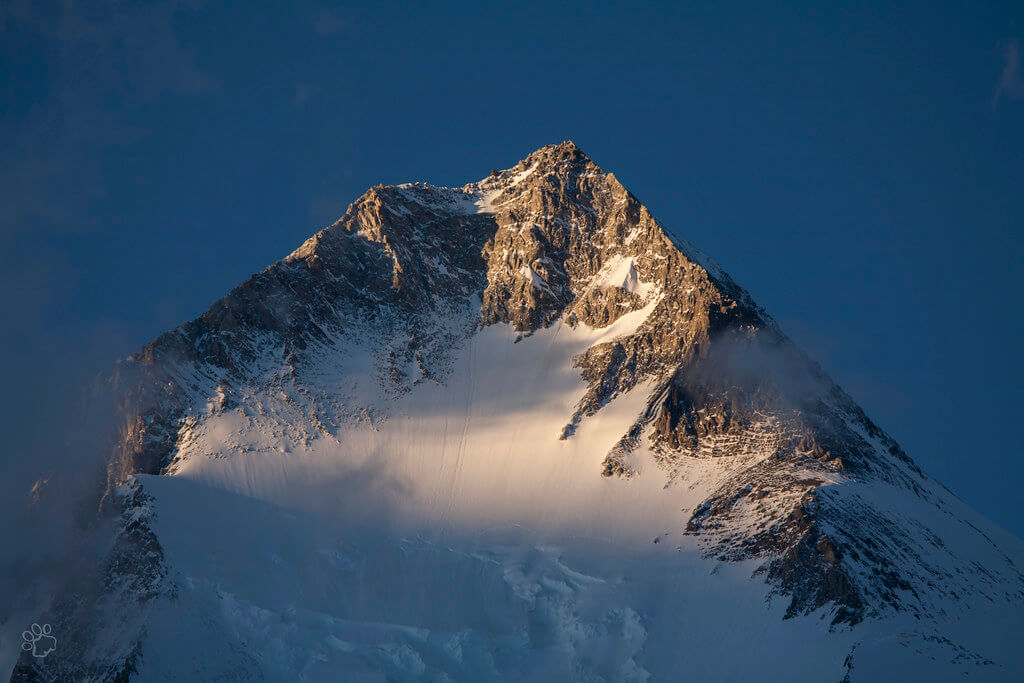
The Karakoram is considered the most rugged mountain range in Pakistan and contains the greatest concentration of peaks above 8,000 meters.
Key Features
| Feature | Details |
|---|---|
| Highest Peak | K2 |
| World Ranking | Second-highest mountain |
| Largest Glacier | Baltoro Glacier |
| Province | Gilgit-Baltistan |
| Famous Highway | Karakoram Highway |
The Karakoram Range contains numerous glaciers that supply water to the Indus River system. Its dramatic landscapes attract climbers from around the world.
Famous Attractions
- K2
- Baltoro Glacier
- Concordia
- Broad Peak
- Gasherbrum Peaks
Himalayan Range in Pakistan
The western Himalayas enter Pakistan through Azad Kashmir and northern Gilgit-Baltistan.
The most famous peak in this range is Nanga Parbat, often called the “Killer Mountain” due to its challenging climbing conditions.
Highlights
- Snow-covered mountains
- Dense forests
- Alpine meadows
- Beautiful valleys
- Rich wildlife
Nanga Parbat at a Glance
| Information | Details |
|---|---|
| Height | 8,126 meters |
| Range | Himalayas |
| Nickname | Killer Mountain |
| Province | Gilgit-Baltistan |
Hindu Kush Range
The Hindu Kush extends into northern Khyber Pakhtunkhwa and connects Pakistan with Afghanistan.
Its highest peak is Tirich Mir, which lies in the Chitral District.
Characteristics
- Deep valleys
- Permanent snowfields
- High mountain passes
- Rich cultural diversity
- Popular trekking routes
Sulaiman Range
The Sulaiman Mountains stretch across western Punjab and eastern Balochistan.
Unlike the snow-covered northern ranges, these mountains are generally dry and rocky.
Importance
- Natural boundary between provinces
- Wildlife habitat
- Historical trade routes
- Mineral resources
Salt Range
The Salt Range is one of Pakistan’s oldest geological formations and is famous for its extensive rock salt deposits.
It is home to the world-famous Khewra Salt Mine, one of the largest salt mines in the world.
Interesting Facts
| Feature | Description |
|---|---|
| Famous Resource | Rock Salt |
| Province | Punjab |
| Well-known Mine | Khewra Salt Mine |
| Highest Point | Sakesar |
Kirthar Range
Located between Sindh and Balochistan, the Kirthar Range forms an important natural boundary.
The mountains contain archaeological sites, wildlife habitats, and scenic viewpoints.
Wildlife Found
- Sindh ibex
- Urial
- Jackals
- Foxes
- Eagles
- Vultures
Highest Peaks Found in Pakistan
Pakistan is home to five of the world’s fourteen mountains above 8,000 meters.
| Peak | Height | Mountain Range |
|---|---|---|
| K2 | 8,611 m | Karakoram |
| Nanga Parbat | 8,126 m | Himalayas |
| Gasherbrum I | 8,080 m | Karakoram |
| Broad Peak | 8,051 m | Karakoram |
| Gasherbrum II | 8,035 m | Karakoram |
Glaciers in Pakistan’s Mountain Regions
The northern mountains contain one of the largest concentrations of glaciers outside the polar regions.
Some major glaciers include:
- Baltoro Glacier
- Biafo Glacier
- Hispar Glacier
- Batura Glacier
- Siachen Glacier (located in a disputed region)
These glaciers are vital freshwater reservoirs for Pakistan’s agriculture and hydropower.
Climate Across the Mountain Ranges
The climate varies greatly depending on altitude.
| Region | Climate |
|---|---|
| Karakoram | Extremely cold |
| Himalayas | Cold and snowy |
| Hindu Kush | Cold alpine climate |
| Sulaiman | Dry and semi-arid |
| Salt Range | Moderate |
| Kirthar | Hot and dry |
Tourism in Pakistan’s Mountains
Tourism has grown rapidly due to improved infrastructure and international recognition.
Popular activities include:
- Trekking
- Mountain climbing
- Camping
- Jeep safaris
- Wildlife photography
- Nature exploration
- Cultural tourism
Popular destinations include Hunza Valley, Skardu, Fairy Meadows, Deosai National Park, and Chitral.
Wildlife in the Mountain Ranges
Pakistan’s mountains support diverse ecosystems.
Notable Species
| Animal | Habitat |
|---|---|
| Snow Leopard | Karakoram & Himalayas |
| Markhor | Hindu Kush |
| Himalayan Brown Bear | Northern mountains |
| Ibex | Karakoram |
| Musk Deer | Himalayan forests |
| Golden Eagle | High mountains |
Environmental Challenges
The Mountain Ranges in Pakistan face several environmental threats.
Major Concerns
- Glacier melting due to climate change
- Deforestation
- Unplanned tourism
- Soil erosion
- Landslides
- Water pollution
- Habitat loss
Protecting these mountain ecosystems is essential for maintaining water resources, biodiversity, and sustainable livelihoods.
Best Time to Visit
| Region | Best Season |
|---|---|
| Hunza | April–October |
| Skardu | May–September |
| Fairy Meadows | June–September |
| Chitral | May–October |
| Deosai | June–August |
Interesting Facts About Pakistan’s Mountains
- Pakistan contains three of the world’s greatest mountain systems: the Karakoram, Himalayas, and Hindu Kush.
- K2 is the second-highest mountain in the world.
- The Karakoram Highway is among the highest paved international roads.
- Pakistan has thousands of glaciers concentrated in its northern regions.
- Five of the world’s fourteen 8,000-meter peaks are located in Pakistan.
- Mountain tourism contributes significantly to local economies.
The Mountain Ranges in Pakistan are among the country’s greatest natural treasures. From the towering Karakoram and majestic Himalayas to the culturally rich Hindu Kush and the rugged Sulaiman, Salt, and Kirthar ranges, these mountains shape Pakistan’s geography, climate, biodiversity, and economy. They provide essential water resources, support unique wildlife, and attract visitors from around the world. Conserving these remarkable landscapes will ensure that future generations continue to benefit from their ecological, cultural, and economic value.
Which is the highest mountain range in Pakistan?
The Karakoram Range contains Pakistan’s highest peak, K2, which stands at 8,611 meters above sea level.
What are the three major mountain ranges in Pakistan?
The three major mountain systems are the Karakoram, Himalayas, and Hindu Kush.
Which mountain is called the Killer Mountain?
Nanga Parbat is commonly known as the “Killer Mountain” because of its historically difficult climbing conditions.
Why are Pakistan’s mountains important?
They provide freshwater through glaciers, support biodiversity, generate tourism income, influence climate, and protect important ecosystems.
Which is the oldest mountain range in Pakistan?
The Salt Range is among the oldest geological formations in the country and is renowned for its extensive rock salt deposits.