
Abdul Sattar Edhi is one such name that cannot be removed from the historical background of Pakistan. He was the Pakistani benefactor, as well as anchorite and benevolent. He was the actual founder of the Edhi foundation. He was accountable for upbringing of the orphan kids in his foundation. He has often set up with the psychiatric rehabilitation centers, and residential institution for the care and education of orphans crosswise Pakistan. Moreover he has often taken into account the settlement of the dispensary in Karachi. Keep on reading to get the Abdul Sattar Edhi biography with family details, date of birth, date of death and cause of death.
| Detail | Information |
|---|---|
| Full Name | Abdul Sattar Edhi |
| Birth Year | 1928 |
| Birthplace | Bantva, Gujarat, British India |
| Profession | Humanitarian, Social Worker, Philanthropist |
| Main Organization | Edhi Foundation |
| Wife | Bilquis Edhi |
| Major Work | Ambulance, healthcare, shelters, orphanages and social welfare |
| Nationality | Pakistani |
| Date of Death | July 8, 2016 |
| Place of Death | Karachi, Pakistan |
| Burial | Karachi, Pakistan |
Abdul Sattar Edhi Biography
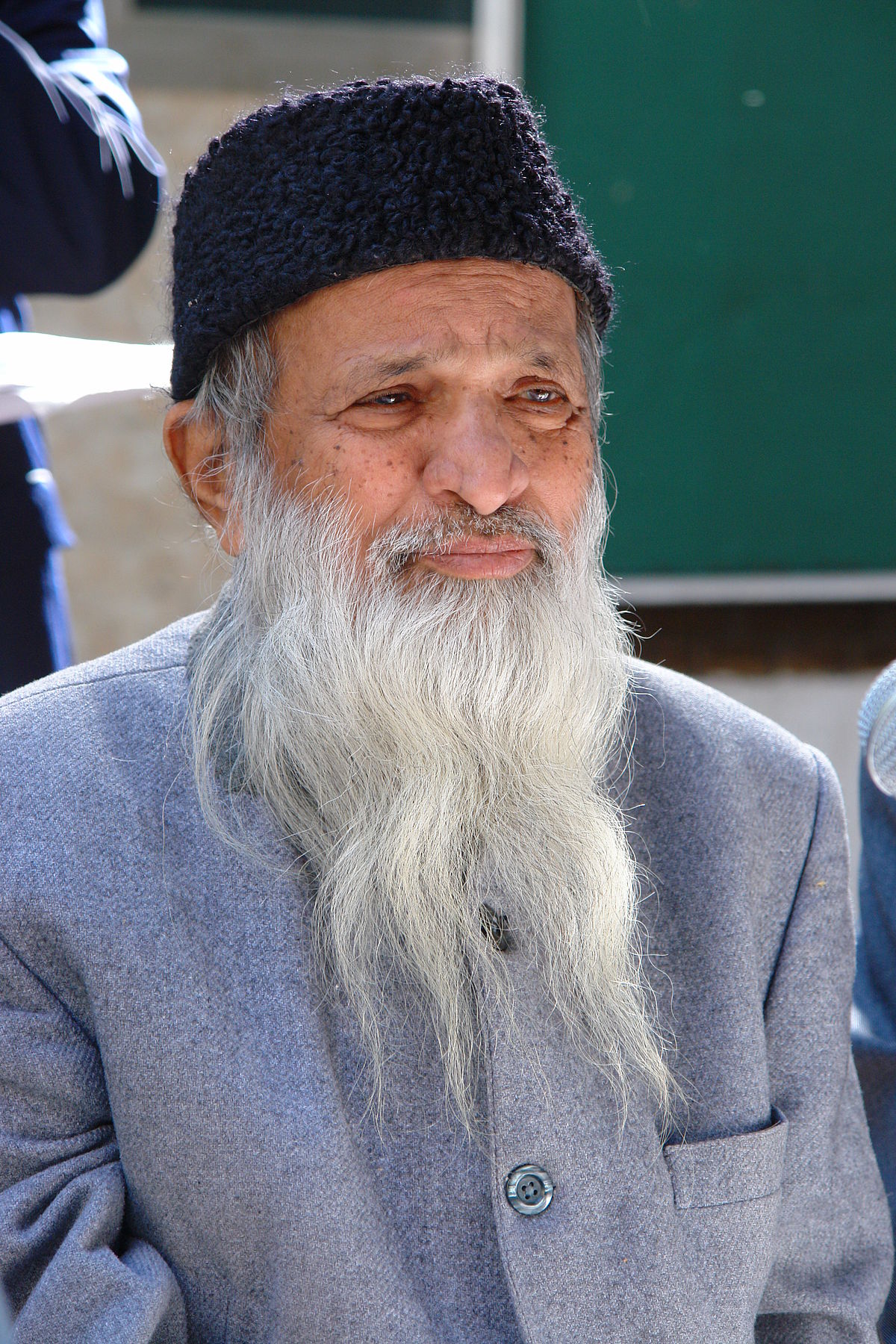
Early Life of Abdul Sattar Edhi
Abdul Sattar Edhi was born into a Memon family in Bantva in 1928. His childhood took a different direction after his mother became seriously ill. At around 11 years of age, he took responsibility for caring for her.
He helped with basic daily tasks such as bathing, feeding, cleaning, and changing her clothes. His experience with illness gave him a close view of human suffering at an early age.
After the partition of British India in 1947, Edhi moved to Pakistan with his family and settled in Karachi. He began earning a living through small-scale work and later devoted more time to social welfare.
Personal Life of Abdul Sattar Edhi:
Abdul Sattar Edhi was born on January 1, 1928. He was born and raised up in the place of Bantva in the Gujarat, British India into a Memon family. He lost his mother when he was just 11 years old. He mother died because of stroke and this made his think about setting up the center for the paralyzed people. In the year 1947 the separation of the India drove Edhi and his family to relocate to Pakistan. He made his way to Karachi and started working in the wholesale market. He collected money from the society and at the cost of Rs.200 he build a dispensary as free of cost medicine provision.
Abdul Sattar Edhi and Bilquis Edhi
Abdul Sattar Edhi married Bilquis Edhi, who became his partner in social welfare work. Bilquis Edhi worked as a nurse and became deeply involved with the foundation’s maternity homes, child welfare programs, and adoption-related services.
Together, Abdul Sattar Edhi and Bilquis Edhi worked with vulnerable families and children across Pakistan. The foundation credits their joint efforts with helping expand its welfare network.
How Abdul Sattar Edhi Started His Welfare Work
Edhi began his welfare activities with very limited resources. He collected donations from ordinary citizens and used the money to assist sick and poor individuals.
His first major welfare efforts focused on medical assistance. He later expanded his work into ambulance services, shelters, orphanages, hospitals, maternity homes, and burial services.
The Edhi Foundation says he started with almost no money and personally appealed to citizens for donations. He also drove ambulances himself and remained directly involved in welfare activities.
Edhi Foundation
The Edhi Foundation became the central platform for Abdul Sattar Edhi’s humanitarian work. Its services covered many areas of social welfare and emergency assistance.
Major services linked with the foundation included:
- Ambulance services
- Free medical treatment
- Hospitals and clinics
- Orphanages and children’s homes
- Shelters for homeless individuals
- Maternity homes
- Drug rehabilitation
- Burial services for unclaimed bodies
- Food and clothing assistance
- Support for disabled individuals
- Emergency relief during floods, fires, and other disasters
- Assistance for missing individuals
- Blood and plasma services
- Educational and vocational support
The foundation operates on a non-commercial and non-political basis and provides assistance without discrimination based on class, color, or creed.
Abdul Sattar Edhi Ambulance Service
The Edhi ambulance service became one of the most visible parts of his welfare network. Ambulances provided emergency transportation for accident victims, sick individuals, and others requiring urgent medical assistance.
Edhi personally drove an ambulance during the early years of his work. His approach focused on reaching individuals who had little access to private healthcare or emergency transport.
Abdul Sattar Edhi and Poor Families
Edhi gave assistance to families facing poverty, homelessness, illness, and abandonment. His welfare centers offered food, shelter, clothing, healthcare, and other forms of support.
His services also reached women, children, elderly individuals, disabled persons, and abandoned babies. The foundation established cradles outside its centers so parents could safely leave unwanted or abandoned newborns rather than placing them in dangerous situations.
Abdul Sattar Edhi and Orphans
Children without parental care received shelter and support through Edhi Homes and related facilities. The organization also helped abandoned babies and arranged care for children who had no suitable family support.
Bilquis Edhi worked closely with Abdul Sattar Edhi in maternity and child welfare services. Their joint efforts provided shelter and care for vulnerable women and children.
Abdul Sattar Edhi Burial Services
One of the most unusual parts of Edhi’s welfare work involved the care of unclaimed bodies. His organization collected, washed, shrouded, and buried bodies that had no relatives or individuals available to perform the funeral arrangements.
The Edhi Foundation states that Abdul Sattar Edhi personally helped bury more than 200,000 unclaimed dead bodies.
Abdul Sattar Edhi’s Humanitarian Services
Abdul Sattar Edhi’s work went far beyond ambulance operations. His welfare network responded to a wide range of social and emergency needs.
His services covered:
- Medical care for low-income families
- Free ambulance transportation
- Homes for abandoned children
- Shelter for homeless individuals
- Assistance for women in difficult circumstances
- Rehabilitation for drug-dependent individuals
- Disaster relief
- Food and clothing distribution
- Support for disabled individuals
- Burial of unclaimed bodies
- Blood and plasma assistance
- Help for missing individuals
- Technical education
- Family planning and maternity services
- Legal assistance for prisoners
- Emergency support during floods, fires, and droughts
The Edhi Foundation also provided relief outside Pakistan during disasters and humanitarian emergencies.
Awards Received by Abdul Sattar Edhi
Abdul Sattar Edhi received several national and international awards for his humanitarian services. His honors came from organizations and institutions in Pakistan and abroad.
Some notable honors associated with his work are:
- Ramon Magsaysay Award for Public Service, 1986
- Lenin Peace Prize
- Nishan-e-Imtiaz
- Jinnah Award
- Various national and international humanitarian honors
The Ramon Magsaysay Award was presented to Abdul Sattar Edhi and Bilquis Edhi in 1986 for public service. The Jinnah Society later selected Edhi for its first Jinnah Award in 1998.
Death of Abdul Sattar Edhi:
He died because of the kidney failure as on 25 June 2013. Abdul Sattar Edhi passed away on 8 July 2016 at the age of 88 years old. According to his last wish he was buried in Edhi Village Karachi.
Abdul Sattar Edhi’s Legacy
Edhi’s welfare model placed service to humanity at the center of charitable work. His organization served individuals regardless of religion, social class, financial position, or background.
The Edhi Foundation still operates ambulance services, healthcare facilities, children’s homes, shelters, burial services, and emergency programs. Its current work follows the humanitarian principles associated with Abdul Sattar Edhi.
His life also provides an example of how small charitable efforts can develop into a large social welfare network through public trust, personal service, and community support.
Why Abdul Sattar Edhi Is Remembered
Abdul Sattar Edhi is remembered for his simple lifestyle and direct service to people facing hardship. He helped individuals who had very few options and gave attention to groups that were sometimes ignored by society.
His work covered life from infancy to old age, including abandoned babies, sick patients, homeless families, disabled individuals, and unclaimed deceased persons.
The Edhi Foundation’s philosophy remains closely linked with his belief that every human being deserves care, dignity, and assistance.
Well there is no doubt about the fact that the people like Abdul Sattar Edhi are gifted to just the few of the lucky countries and the people like them deserved the paramount appreciation and respect even after the death. still his quotations and the his service are fresh in the minds of people. Currently, his Edhi foundation is being run by his wife and sons.
Who was Abdul Sattar Edhi?
Abdul Sattar Edhi was a Pakistani humanitarian, philanthropist, and social worker. He founded the Edhi Foundation and devoted his life to social welfare.
Where was Abdul Sattar Edhi born?
Abdul Sattar Edhi was born in 1928 in Bantva, Gujarat, India, near Junagadh.
Who was Abdul Sattar Edhi’s wife?
His wife was Bilquis Edhi. She worked closely with him in healthcare, maternity, child welfare, and other charitable programs.
What was Abdul Sattar Edhi famous for?
He was famous for humanitarian services such as ambulance operations, free healthcare, orphanages, shelters, disaster relief, and burial services for unclaimed bodies.
What was the Edhi Foundation?
The Edhi Foundation is a charitable welfare organization founded by Abdul Sattar Edhi. It provides healthcare, emergency assistance, children’s services, shelters, burial services, and other forms of social support.
How old was Abdul Sattar Edhi at the time of his death?
Abdul Sattar Edhi was 88 years old at the time of his death in July 2016.
What awards did Abdul Sattar Edhi receive?
His honors included the Ramon Magsaysay Award for Public Service, Lenin Peace Prize, Nishan-e-Imtiaz, and Jinnah Award, among other national and international honors.